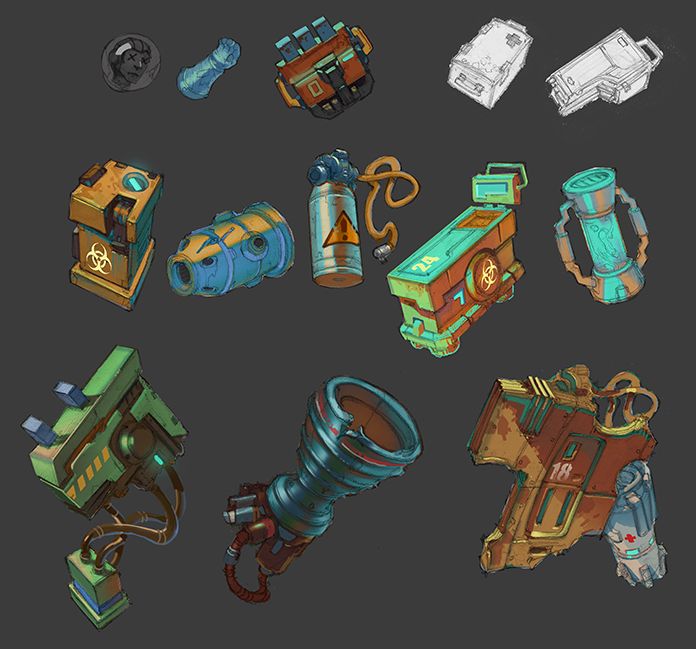
Foam is the most popular material for gaming props because it's lightweight, affordable, easy to shape, and takes paint well. EVA foam in particular gives builders the best foam gaming props results without needing expensive tools or years of experience.
Walk through any gaming convention and you'll notice a pattern. The most impressive prop builds aren't always the most expensive ones. A huge number of standout pieces, from massive swords to sci-fi rifles to full armor sets, are made almost entirely from foam. It's become the default material for prop makers at every skill level, and for good reason.
If you've ever tried to research the best foam gaming props and found yourself overwhelmed by foam types, densities, and techniques, you're not alone. There's a lot of information out there, and not all of it agrees. This guide cuts through the noise and explains why foam works so well, which types to use for which projects, and how to get the most out of it.
Whether you're building your first prop or looking to improve your existing process, understanding foam is the single best investment you can make in your craft.
What Makes Foam the Best Material for Gaming Props?
Foam has a combination of properties that no other affordable material can match. It's light enough to carry for an entire convention day, soft enough to be safe in crowded spaces, and forgiving enough that mistakes can usually be corrected or hidden. Compare that to wood, which is heavy and hard to shape, or resin, which requires molds, ventilation, and significantly more money to work with.
The best foam gaming props also benefit from how well foam accepts paint and surface treatments. Once sealed properly, foam can be made to look like metal, leather, stone, or wood. The material itself disappears under a good finish, which is exactly what you want when you're trying to build something that looks like it came straight out of a game world.
Foam is also accessible. You don't need a workshop full of specialized tools. A box cutter, a heat gun or hair dryer, contact cement, and some sandpaper are enough to get started. That low barrier to entry is a big reason why so many prop makers, from complete beginners to seasoned cosplayers, keep coming back to it.
The vast majority of convention prop builds use EVA foam as a primary material, making it the dominant choice among cosplay and gaming prop communities worldwide.
The Different Types of Foam and When to Use Each
Not all foam is the same, and using the wrong type for a given project can make the build harder than it needs to be. Here's a breakdown of the most common foam types used for gaming props and where each one shines.
EVA Foam
EVA (ethylene-vinyl acetate) foam is the most widely used material for the best foam gaming props builds. It comes in interlocking floor mat tiles from hardware stores, which makes it one of the cheapest sources per square foot available. It cuts cleanly, heats and bends without cracking, and holds its shape once cooled. Most large structural pieces, armor plates, weapon bodies, and shields start with EVA as the base.
The thickness range available is a big advantage. Standard floor mats come in 6mm to 10mm, which works for most structural shapes. Higher density EVA sheets are also available from craft suppliers in thinner gauges for detail work and layering.
Craft Foam (Foamies)
Thin craft foam sheets, often sold as Foamies, are perfect for surface detailing. They're too flexible to build structural pieces from, but layered on top of EVA they create raised details, panel lines, and texture elements that would be difficult to carve cleanly. They're inexpensive, widely available, and bond easily with contact cement or hot glue.
High-Density Foam
For builders who want finer detail and a more rigid result, high-density foam offers a firmer base that carves like butter and sands to a smoother finish. It's more expensive than standard EVA but produces some of the best foam gaming props results when a clean, polished look is the goal. It's particularly popular for replica weapons and handheld props where surface quality matters most.
Upholstery Foam
Softer and more flexible than EVA, upholstery foam is used when a prop needs to have give, such as padding inside a helmet or soft structural shapes that need to conform to the body. It's not suitable for rigid builds but is a good complement material when comfort is a factor.
The best foam gaming props aren't built with better foam. They're built with better technique. The material is forgiving. Learn to work with it, and it will work with you.
Foam vs. Other Materials: A Practical Comparison
Foam isn't the only option for gaming props, but it consistently outperforms alternatives in the categories that matter most for most builders. Here's how it stacks up.
| Material | Cost | Weight | Ease of Use | Convention Safe |
|---|---|---|---|---|
| EVA Foam | Very Low | Very Light | Beginner Friendly | Yes |
| Worbla | High | Light | Intermediate | Yes |
| Resin | Medium to High | Heavy | Advanced | Varies |
| Wood | Low to Medium | Heavy | Intermediate | Rarely |
| 3D Printed PLA | Medium | Medium | Advanced | Usually Yes |
How to Get the Best Results from Foam Gaming Props
The material is only part of the equation. Technique is what separates a prop that looks like foam from one that looks like the real thing. There are a few core practices that make the biggest difference in the final result.
Sealing Before Painting
Bare foam absorbs paint unevenly and the surface remains porous and fragile. Sealing with Plasti-Dip, Mod Podge, or a dedicated foam sealer closes the surface and creates a layer that paint bonds to properly. This step alone is what gives the best foam gaming props their smooth, professional finish. Skip it and even great paint work will look patchy and wear off quickly.
Heat Shaping
One of foam's best qualities is that it becomes pliable when heated and holds its shape when cooled. A heat gun set to a low or medium setting lets you curve flat pieces into organic shapes, create rounded edges, and form complex geometry that would be impossible to cut from flat sheets. Practice on scraps first to get a feel for how quickly the material responds.
Weathering and Finishing
Weathering is the process of adding visual age and wear to a prop. For gaming props especially, this is often the step that brings everything together. Dry brushing lighter colors on raised edges, dabbing darker washes into recesses, and using a sponge to stipple on rust or grime effects are all techniques that require almost no additional materials and produce striking results. The best foam gaming props all share this attention to finish detail.
Reinforcing Weak Points
Long thin pieces like sword blades or staff handles can flex too much if built from foam alone. Running a PVC pipe or wooden dowel through the core of these pieces adds rigidity without adding significant weight. Wrapping connection joints with craft foam before gluing also strengthens seams that would otherwise separate with regular use.
Frequently Asked Questions
EVA foam floor mats are the best starting point for beginners building foam gaming props. They're cheap, widely available at hardware stores, and forgiving to work with. A pack of interlocking mats gives you plenty of material to practice cutting, shaping, and gluing before committing to a full build.
Sealing foam gaming props with Plasti-Dip or a similar flexible sealant adds a protective skin that resists minor dents and surface damage. For high-contact areas, layering multiple coats of sealant builds extra durability. Storing props in padded bags or cases between events also extends their lifespan significantly.
Contact cement is the preferred adhesive for most foam gaming props because it creates a strong, flexible bond that moves with the material. Hot glue works for quick joins and low-stress connections but can separate under heat or tension. Avoid super glue on large foam surfaces as it creates a brittle bond that cracks easily.
Yes, foam gaming props are actually easier to repair than most other materials. Small tears or separations can be re-glued with contact cement. Surface scratches or paint chips can be touched up with matching paint and a bit of weathering to blend the repair. Significant damage to a section can often be patched by cutting and gluing a new piece of foam in place.
Foam gaming props are almost universally permitted at conventions because the material is soft and non-hazardous. Most events specifically list foam as an approved prop material in their weapons and prop policies. Always check the specific rules for each event you attend, but foam builds rarely run into issues during prop checks.
Browse our full collection of gaming gear and find something worth building toward.
Shop Now →
