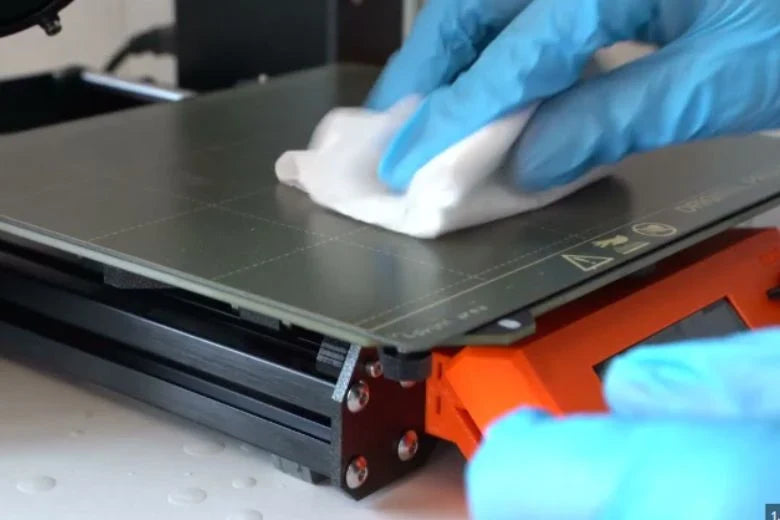
Dust painted foam with a dry soft brush and never use solvents on it. Printed PLA can take a barely damp cloth on unpainted areas. Keep both out of direct sunlight, keep PLA out of hot cars since it softens around 60 to 65 degrees Celsius, and store long foam pieces flat or fully supported so they never take a permanent bend.
Replicas do not really wear out. They get ruined in specific, avoidable ways: a cleaning spray that lifts a weathering layer, a sunny wall that fades a paint job over two summers, a corner where a blade slowly develops a curve it never loses. None of that is normal aging. All of it is preventable with about five minutes of attention a month.
The two materials also fail differently, which is why one care routine does not cover both. Learning how to clean foam replicas properly is mostly about what not to touch them with, while printed pieces are more forgiving to clean and far less forgiving about heat.
Here is the full routine for both materials, plus the storage and repair basics worth knowing before something goes wrong rather than after.
Why Do the Two Materials Need Different Care?
High density foam props are painted and sealed on the outside. The paint and clear coat are doing all the visual work, and they sit on a flexible surface. Anything that attacks that coating, or anything that flexes the surface repeatedly, damages the piece even though the foam underneath is fine.
Printed PLA is the opposite. The material itself is the surface on unpainted pieces, so mild cleaning is low risk. What PLA cannot handle is heat, and it is far more brittle, so the failure modes are warping and clean breaks rather than paint damage.
The glass transition range for PLA, where it stops being rigid and goes soft. A parked car interior can reach 50 to 60°C from an outside temperature as mild as 20°C, which is why printed props should never be left in one.
Cleaning High Density Foam Props
The short version of how to clean foam replicas is that they need less than people assume, and the biggest risk is doing too much rather than too little.
The Routine
Use a dry soft brush. A clean makeup brush, a large soft paintbrush, or a microfiber cloth all work well. Work from the top of the piece downward so you are not pushing dust back onto areas you have finished. Every two to three weeks is enough for a normal room, more often if you are near an open window or a busy hallway.
For anything with deep recesses or sculpted detail, a can of compressed air held at a distance clears trapped dust without touching the surface. Keep it moving and keep it upright so no propellant sprays onto the paint. This is especially useful on pieces with texture running through them, like a Halo energy sword replica where the detail sits in channels a brush cannot reach cleanly.
What Never to Use
This list is short and it matters more than the routine above. Most bad advice about how to clean foam replicas involves at least one of these.
- Household cleaning sprays, which contain solvents that lift clear coats and weathering
- Alcohol wipes, for the same reason, even the ones sold as gentle
- Wet cloths, since water sitting on a painted seam finds its way underneath
- Abrasive sponges or paper towel, which dull a satin finish very quickly
- Furniture polish or wax, which leaves a sheen that looks wrong on weathered paint
If something genuinely needs more than a dry brush, use a barely damp cloth on that spot only, dry it immediately, and test on an inconspicuous area first.
Helmets and Wearables
Anything you wear picks up sweat on the inside, and that is a different problem from dust. Wipe the interior with a slightly damp cloth after each wear, let it air dry fully before storing, and never seal a damp helmet in a bag. A piece like a Space Marine helmet holds moisture in the padding long after the outside feels dry, so give it a full day before it goes back in storage.
Almost every ruined prop was ruined by cleaning, not by dirt. When in doubt, use less.
Cleaning 3D Printed PLA Pieces
Printed props are more forgiving, with one important distinction: painted printed pieces should be treated exactly like foam, since the paint is the vulnerable part in both cases. Everything below applies to unpainted prints.
Everyday Dusting
A soft dry brush handles most of it. Printed surfaces have fine layer lines that catch dust more readily than a smooth painted surface, so a brush with some stiffness gets into them better than a cloth does. A soft toothbrush works well on small detailed pieces.
Small figures are the fiddliest category, since dust collects in every crease and there is no flat surface to wipe. Something like a Mecha Chameleon pose figure is faster to clean with a brush and a puff of air than with any cloth.
Deeper Cleaning
For unpainted prints that have picked up real grime, lukewarm water with a drop of mild dish soap on a cloth is safe. Keep the water cool rather than hot, since heat is the thing PLA cannot tolerate, and dry the piece straight away rather than leaving it to air dry with water sitting in the layer lines.
Never put a printed piece in a dishwasher, and do not use hot water to loosen anything. Both will warp it. Desk pieces that sit near a window or a radiator, like a Peashooter plant replica, are worth checking occasionally for any softening or lean, since heat damage happens gradually enough to go unnoticed.
Pieces You Handle Daily
Anything carried or touched constantly picks up oil from skin, which dulls the finish over time. Keychains are the obvious example. A quick wipe with a dry cloth every few weeks is enough to keep something like a Mario mushroom keychain looking fresh, and it takes seconds.
Care Rules Side by Side
| Task | High Density Foam | 3D Printed PLA |
|---|---|---|
| Routine dusting | Dry soft brush only | Dry brush, soft toothbrush for detail |
| Water | Avoid, barely damp spot clean at most | Lukewarm, mild soap, unpainted only |
| Solvents and sprays | Never | Never on painted, avoid on unpainted |
| Heat | Keep away from radiators and PC exhaust | Critical, softens around 60 to 65°C |
| Sunlight | Fades paint, avoid direct exposure | Fades color and adds heat, avoid |
| Main failure mode | Permanent bends and paint damage | Warping and clean breaks |
| Storage | Flat or fully supported, never leaning | Padded box, protect thin protrusions |
Storage Is Where Most Damage Happens
Learning how to clean foam replicas covers the pieces you can see. Storage is where the rest of the damage happens, because nobody looks at a boxed prop for months.
For foam, the rule is that a long piece must be supported along its full length. Leaning a four foot blade in a corner puts constant pressure at two points, and after a few months the curve becomes permanent. Lay it flat, hang it, or lay it on a shelf that supports the whole length. Never stack heavy items on top of foam.
For printed pieces, the risk is impact rather than pressure. Wrap thin protrusions individually and pack pieces so they cannot shift against each other. PLA breaks cleanly rather than denting, which at least means most breaks glue back together almost invisibly.
Simple Repairs Worth Knowing
Most damage is fixable at home, and knowing that in advance stops a small accident from feeling like a write off.
- Clean break in PLA: a small amount of cyanoacrylate glue on one face, held for a minute
- Small paint chip on foam: dab matching acrylic with a fine brush, then blend outward
- Mild foam bend: lay it flat under light even weight for several days, not in heat
- Loose foam seam: contact adhesive rated for foam, clamped gently while it cures
- Dulled finish: a light matte or satin clear coat, tested on a hidden area first
- Loose keyring or fitting: replace the hardware rather than gluing the print itself
Heat is never the answer for a bent foam prop. Applying a heat gun to reshape a finished painted piece damages the coating and usually makes the problem worse than the bend was.
A Maintenance Schedule That Actually Sticks
Knowing how to clean foam replicas correctly only helps if the routine is small enough that you keep doing it. Every two to three weeks, dust everything on display with a dry brush. Every few months, check adhesive wall mounts for any give, especially in humid rooms, and check that nothing has shifted or started to lean.
Once a year, take a photo of each piece. Fading happens slowly enough that your eye adjusts to it, and a photo comparison is the only reliable way to notice a wall is doing damage before the damage is significant. If a piece has faded, move it before the next summer rather than after.
Frequently Asked Questions
Only sparingly. A barely damp cloth on a specific mark, dried immediately, is acceptable. Avoid wetting the whole piece, since water sitting on a painted seam can work its way under the coating.
Never store it leaning. Mount it on a wall, hang it, or lay it flat with the full length supported. A mild existing bend can often be corrected by laying it flat under light even weight for several days.
PLA softens in the 60 to 65 degrees Celsius range. A parked car can reach 50 to 60 degrees inside from an outside temperature around 20 degrees, so printed props should never be left in a vehicle.
Yes. Acrylic paints are safe on both materials. Match the color, apply thin coats with a fine brush, and blend outward from the chip. Test any clear coat on a hidden area before sealing the whole piece.
Every two to three weeks for anything on open display. Pieces behind glass need it far less. Anything you wear or carry should be wiped after each use rather than on a schedule.
Browse high density foam and 3D printed replicas made for display, with finishes that hold up for years with almost no upkeep.
Shop the Collection →
