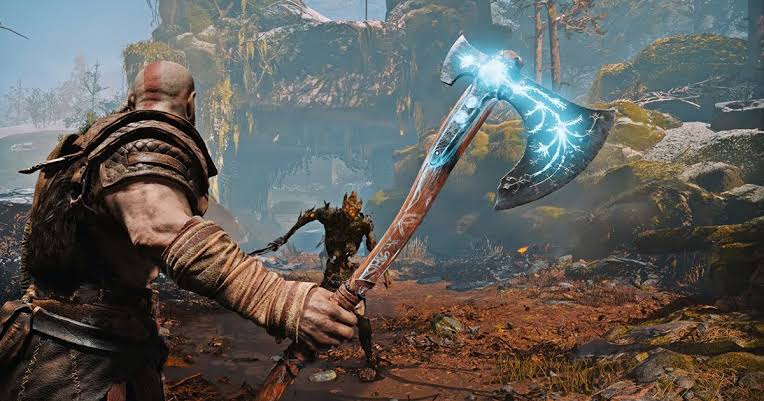
Power is manufactured from about twenty small tricks stacked on top of each other. Screen shake, camera kick, a momentary freeze on impact, enemy knockback, muzzle flash, shell casings, and a sound built from five separate layers. None of them change the damage number. All of them change how the damage feels.
Two weapons can deal identical damage and feel completely different to use. One lands like a hammer and the other feels like clicking a mouse. That gap has nothing to do with balance and everything to do with a discipline developers call game feel, and it is far more deliberate than most players realise.
The useful thing about weapon game feel is that it is not mysterious. The techniques are documented, teachable, and mostly quite small. A developer can take a flat, unsatisfying gun and make it feel devastating in an afternoon without touching a single stat.
This breaks down what those techniques actually are, why each one works on your brain, and what the same principles say about physical objects.
Why Feel Is a Discipline Rather Than a Vibe
All weapon game feel starts from one fact: your brain judges force by consequence. In the real world, hitting something hard produces recoil, noise, movement, and debris. A game has none of that by default, so a developer has to manufacture every signal artificially.
This is why the most famous demonstration of the idea is essentially a list of small additions rather than one big insight. Jan Willem Nijman of Vlambeer gave a talk called The Art of Screenshake in 2013 that walked through the changes one at a time, taking a deliberately bland shooter and layering effects until it felt genuinely violent. The stats never moved.
A single game weapon sound is typically built from body, mechanics, low end, close detail, and tail, often blending recordings of several different firearms into one signature.
The Screenshake Checklist
Nijman's talk is still the clearest inventory of weapon game feel techniques anyone has published, because it shows each change in isolation. These are the additions he walks through.
What Gets Added, In Order
- Muzzle flash at the point the weapon fires
- Impact effects where the shot lands
- Screen shake on significant actions
- Camera movement pushed opposite to the firing direction
- Knockback on the enemy being hit, and on the player firing
- A momentary pause the moment a hit connects
- Delay and kickback animation on the weapon itself
- Bigger bullets, ejecting shell casings, and lingering smoke
- Lower enemy health so feedback arrives faster
- More bass in the sound, and reduced accuracy for chaos
Read that list and notice how few of them are about the weapon. Most are about the world reacting. That is the core insight: power is communicated by everything except the object doing the damage.
Hit Stop Is the Trick You Never Notice
Of every weapon game feel technique on that list, the momentary pause on impact does the most work per line of code. When a hit lands, the game freezes for a handful of frames before continuing. It is short enough that nobody consciously registers it, and removing it makes combat feel immediately weightless.
The reason it works is that real impacts involve resistance. A blade meeting armour does not pass through at constant speed, it slows, catches, and then releases. Freezing the frame simulates that resistance without any physics simulation at all. Melee weapons benefit most, which is why heavy, hooking shapes like a Butcher's Meat Hook replica look like they should catch on something, and games with weapons like that lean on hit stop heavily.
Sound Does More Than the Visuals
If you had to pick one channel to carry weapon game feel, audio would beat animation and effects combined. A weak sound undermines a perfect animation, while a great sound can rescue a mediocre one.
The Five Layers
A single gunshot in a modern game is not one recording. It is assembled from a body layer that defines the character, a mechanics layer of handling and action noise, a low end layer that supplies physical impact, a close detail layer of high frequency snap, and a tail layer of reverb and environmental reflection kept separate so it can change per location.
Designers frequently blend recordings of entirely different firearms into one sound to create something distinctive that does not exist in reality. The low end matters most for perceived power, since sub frequencies engage a subwoofer and the player feels the shot rather than only hearing it. Mechanically detailed weapons give a sound designer more to work with, which is why a piece with visible action and hardware like a Boomhilda Mauser C96 replica suggests a busier, more layered sound than a smooth modern frame would.
Your Gun and Their Gun Are Not the Same
Player weapons get the full layered treatment. Weapons carried by everyone else usually get a simplified design with close and distant variants only, which saves processing during heavy firefights and helps you locate where fire is coming from.
That asymmetry is deliberate flattery. Your weapon sounds better than theirs because you are meant to feel like the dangerous one in the room.
Nothing in a game actually has weight. Every gram of it is an illusion built from timing, sound, and things moving that did not need to move.
Animation Sells Weight Before Anything Lands
Animation is the oldest weapon game feel tool there is. A heavy weapon should be slow to raise, slow to swing, and slow to recover. That sounds obvious, but the important part is anticipation. The wind up before a heavy attack is what tells you the hit will matter, and it does that before any damage is dealt.
Firearms use the same principle through recoil and kick. A weapon that visibly moves in your hands reads as powerful, and a weapon that stays perfectly still reads as a toy regardless of its damage. Large bodied designs like an M-76 Revenant replica imply that kick just from their proportions, which is exactly the expectation the animation then has to satisfy.
Revolvers are the clearest case. The cylinder, the hammer, and the exaggerated muzzle rise give an animator three separate things to move per shot, and a Requiem Revolver replica shows why that silhouette keeps appearing in games that want a single shot to feel decisive.
Why Restraint Is Part of the Craft
Every weapon game feel technique here has a failure mode: use it everywhere and it stops meaning anything. If every weapon shakes the screen, screen shake becomes background noise. If every hit freezes the frame, combat feels sluggish rather than heavy.
Good arsenals are built as a contrast curve. A starting pistol gets almost no feedback, a mid tier rifle gets a moderate amount, and the one genuinely enormous weapon gets everything at once. The impact of the big one is borrowed from the restraint shown on the small ones.
Scale works the same way. A weapon that is comically oversized sets an expectation the feedback then has to meet, which is why something at deliberate statement scale like a 10:1 scale brick blaster only works if everything around it is normal sized.
Technique Reference
| Technique | What It Does | Why It Works |
|---|---|---|
| Screen shake | Moves the whole camera briefly | Implies force large enough to shift the world |
| Hit stop | Freezes a few frames on impact | Simulates resistance without physics |
| Camera kick | Pushes view against the firing direction | Mimics real recoil pushing back |
| Knockback | Moves the target, and sometimes you | Force must transfer somewhere visible |
| Low end audio | Adds sub frequency to the shot | The player physically feels it |
| Anticipation animation | Slows the wind up before a hit | Signals weight before damage lands |
| Persistence | Leaves smoke, casings, and marks | Proves the action had consequences |
How to Notice It Yourself
Once you know the list, you cannot stop seeing it. Try this the next time a weapon in a game feels particularly good, and you will usually identify what is doing the work within a minute.
- Mute the game and fire it again, then judge how much weaker it feels
- Watch the edges of the screen rather than the crosshair to spot camera shake
- Look for the freeze at the exact moment a melee hit connects
- Check whether anything is left behind after the shot, such as casings or smoke
- Compare your weapon's sound against the same weapon carried by an enemy
- Count how long the wind up takes before a heavy attack actually lands
What This Says About Physical Replicas
A physical prop has none of these tools. No sound, no shake, no freeze frame, no knockback. Everything that makes a weapon feel powerful in a game is unavailable the moment the object exists in a room, which raises an obvious question about what carries over.
The answer is anticipation and proportion, the two techniques that work before anything happens. A shape that looks heavy still looks heavy on a wall. A silhouette that implies recoil still implies it hanging above a desk. Those are the parts of weapon game feel that survive the jump, and they are exactly why some designs make great replicas while others fall flat once the effects are stripped away.
It is also why lighting matters so much on a display piece. A prop cannot shake the room, so directional light doing the work of catching an edge is the closest physical equivalent to a game reaching for a screen effect.
Frequently Asked Questions
The term for how an action physically registers with a player, separate from what it does mechanically. For weapons it covers screen shake, impact pauses, recoil animation, audio layering, and everything else that communicates force.
A brief freeze of a few frames at the moment a hit connects. It simulates the resistance of striking something solid, and removing it makes combat feel weightless almost immediately.
Because they are not single recordings. A game weapon sound is layered from body, mechanics, low end, close detail, and tail, often blending several different firearms into a signature that does not exist in reality.
Player weapons usually get the full layered treatment while non player weapons get simplified close and distant versions. It saves processing during firefights and helps you work out where fire is coming from.
Easily, and the reverse is also true. Feedback and damage are entirely separate systems, which is why a weak weapon with good feedback often gets used more than a strong one that lands silently.
Browse high density foam and 3D printed weapon replicas chosen for shapes that still read as heavy without a single effect behind them.
Shop Weapon Replicas →
